Dogwood Types
From Our Garden to Yours
Welcome to the Deep Creek Garden Center blog! Whether you’re a seasoned gardener or just starting out, this is the place to find tips, seasonal ideas, plant highlights, and inspiration for your garden, patio, or home. We share what’s blooming at the store, seasonal advice for growing your favorite plants, and stories from our family-run garden center right here in Gresham, Oregon.
Stay tuned for helpful guides, new plant arrivals, DIY projects, and a peek behind the scenes at the store. We hope each post sparks an idea, brightens your day, and helps your garden grow!
Dogwood Varieties Well-Suited for the Pacific Northwest
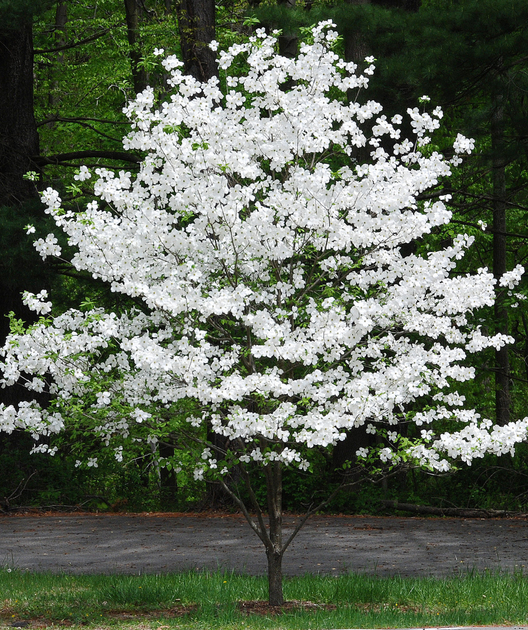
Dogwoods are one of the most beloved ornamental trees in the Pacific Northwest, and it’s easy to understand why. Their beautiful spring blooms, graceful branching, and vibrant fall color make them a standout in landscapes large and small. In zones 7–8, many dogwood varieties thrive with our mild climate and seasonal rainfall, bringing year-round beauty to gardens throughout the region. At Deep Creek Garden Center, we love helping gardeners choose trees that not only look beautiful, but truly perform well in Northwest landscapes.
There are many wonderful dogwood varieties available, but here are a few favorites that are especially well-suited to our area.
Cherokee Princess
‘Cherokee Princess’ is a classic white flowering dogwood known for its elegant shape and abundant spring blooms. Large white bracts cover the tree in early spring, creating a bright, timeless look in the landscape. This variety offers beautiful red fall foliage and attractive branching structure through winter as well. It’s a wonderful choice for smaller yards, woodland gardens, or anywhere you’d like a graceful focal point.
Cherokee Chief
For richer color in spring, ‘Cherokee Chief’ delivers beautiful deep rose-red blooms that really stand out against fresh green foliage. This variety also develops reddish-purple leaves in the fall, adding another season of interest. Like many flowering dogwoods, it performs best with morning sun and some protection from intense afternoon heat. Its bold color and manageable size make it a favorite for adding contrast and personality to Northwest gardens.
Eddie’s White Wonder
‘Eddie’s White Wonder’ is especially popular in the Pacific Northwest thanks to its vigorous growth and excellent cold hardiness. This hybrid dogwood produces large white blooms in spring and often flowers heavily once established. The tree develops a broad, layered branching habit that becomes even more beautiful with age. Many gardeners appreciate its reliability and strong performance in our regional climate.
Rutpink
‘Rutpink’, sometimes known as Pink Stellar Dogwood, offers soft pink blooms with excellent disease resistance and a long-lasting floral display. It combines the beauty of traditional flowering dogwoods with improved durability, making it a dependable landscape choice. Its slightly more upright growth habit works well in both formal and natural-style gardens. The gentle pink flowers bring a softer, romantic feel to spring landscapes.
Ragin Red
‘Ragin Red’ is known for its dramatic deep pink to reddish blooms and vigorous growth. It tends to flower heavily once mature, creating a striking spring display that quickly draws attention in the garden. This variety also offers strong disease resistance and excellent fall color, making it beautiful well beyond bloom season. If you’re looking for a dogwood with bold color and strong garden performance, this is a fantastic option.
Cornus Kousa vs. Cornus Florida: What’s the Difference?
Two of the most common types of dogwoods are Cornus florida (Flowering Dogwood) and Cornus kousa (Kousa Dogwood), and while they share many similarities, there are a few key differences gardeners should know.
Cornus florida varieties, like ‘Cherokee Princess’ and ‘Cherokee Chief,’ typically bloom earlier in spring before or just as the leaves emerge. They have a softer, more classic woodland appearance and are loved for their traditional spring beauty. These varieties generally appreciate a little protection from harsh afternoon sun in hotter weather.
Cornus kousa varieties bloom slightly later, usually after the leaves have fully emerged. They tend to have a more upright growth habit, excellent disease resistance, and unique textured bark as they mature. Kousa dogwoods also produce interesting berry-like fruit that birds enjoy, adding another layer of seasonal interest. Varieties with improved disease resistance and strong garden performance have become especially popular in Northwest landscapes over the years.
The Pacific Northwest is also home to Cornus nuttallii, commonly known as the Pacific Dogwood. This beautiful native species produces large white blooms and develops a graceful woodland character over time. Pacific Dogwoods often grow larger than many ornamental varieties and feel especially at home in natural Northwest landscapes. Because it’s native to our region, it brings a distinctly local charm and pairs beautifully with woodland gardens and native plantings.
Both types can perform beautifully in the Pacific Northwest with the right placement and care, and many gardeners enjoy planting a mix of varieties for a longer blooming season and more seasonal interest.
🌱
Pro Tip: Dogwoods prefer rich, well-drained soil and benefit from a layer of mulch around the base to help keep roots cool and moist. During the heat of summer, deep watering during dry spells can help prevent leaves from curling or developing crispy edges from drought stress. Just be sure to keep mulch pulled slightly away from the trunk to prevent excess moisture buildup.
Deep Creek Garden Center
2330 NE Hogan Dr.
Gresham, OR. 97030
Seasonal: Late March-Mid October
Christmas: Black Friday thru December
503-492-2100
Keep us in mind this holiday season for fresh, locally grown Christmas trees and wreaths from our own family farms. Nobles, Nordmann, Grand and Douglas Firs, both green and flocked!
Proudly serving Gresham & surrounding areas of Sandy, Boring, Damascus, Troutdale, Fairview, Portland, Welches, Rhododendron, Eagle Creek, Estacada, Corbett & Cascade Locks for over 30 years.