Growing Lavender in the Northwest
Rooted in the Seasons
Thanks for stopping by the Deep Creek Garden Center blog! Here, we share gardening tips, seasonal inspiration, plant care advice, and ideas to help you make the most of your outdoor spaces throughout the year. From colorful annuals and veggie gardening to trees, shrubs, and houseplants, we love helping Northwest gardens grow and thrive. You’ll also find updates from around the garden center, helpful how-to guides, and a little seasonal inspiration along the way. We’re glad you’re here and hope these posts encourage you to dig in, try something new, and enjoy the process of growing.
How and When to Prune Lavender in the Pacific Northwest
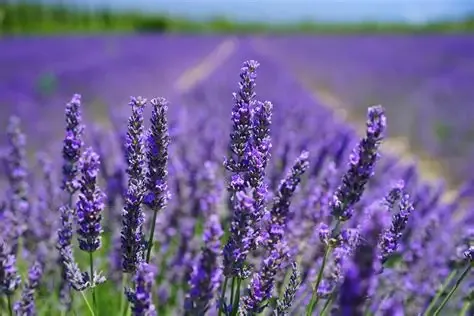
Lavender is one of the most rewarding plants you can grow in the Pacific Northwest. Its fragrant blooms, silvery foliage, and ability to attract bees and butterflies make it a favorite in gardens throughout the Willamette Valley. While lavender is relatively easy to care for once established, proper pruning is the key to keeping plants full, healthy, and blooming beautifully for years to come. At
Deep Creek Garden Center, one of the most common questions we hear is, "When should I prune my lavender?" The good news is that with a few simple tips, it's easier than you might think.
Why Lavender Needs Pruning
Unlike many perennials, lavender gradually develops woody stems as it matures. Without regular pruning, plants can become leggy, split open in the middle, and produce fewer flowers each year. Annual pruning encourages fresh growth, helps maintain a compact shape, and can significantly extend the life of the plant. A well-pruned lavender plant is not only healthier—it also looks much more attractive in the landscape.
Spring Is the Time for Major Pruning
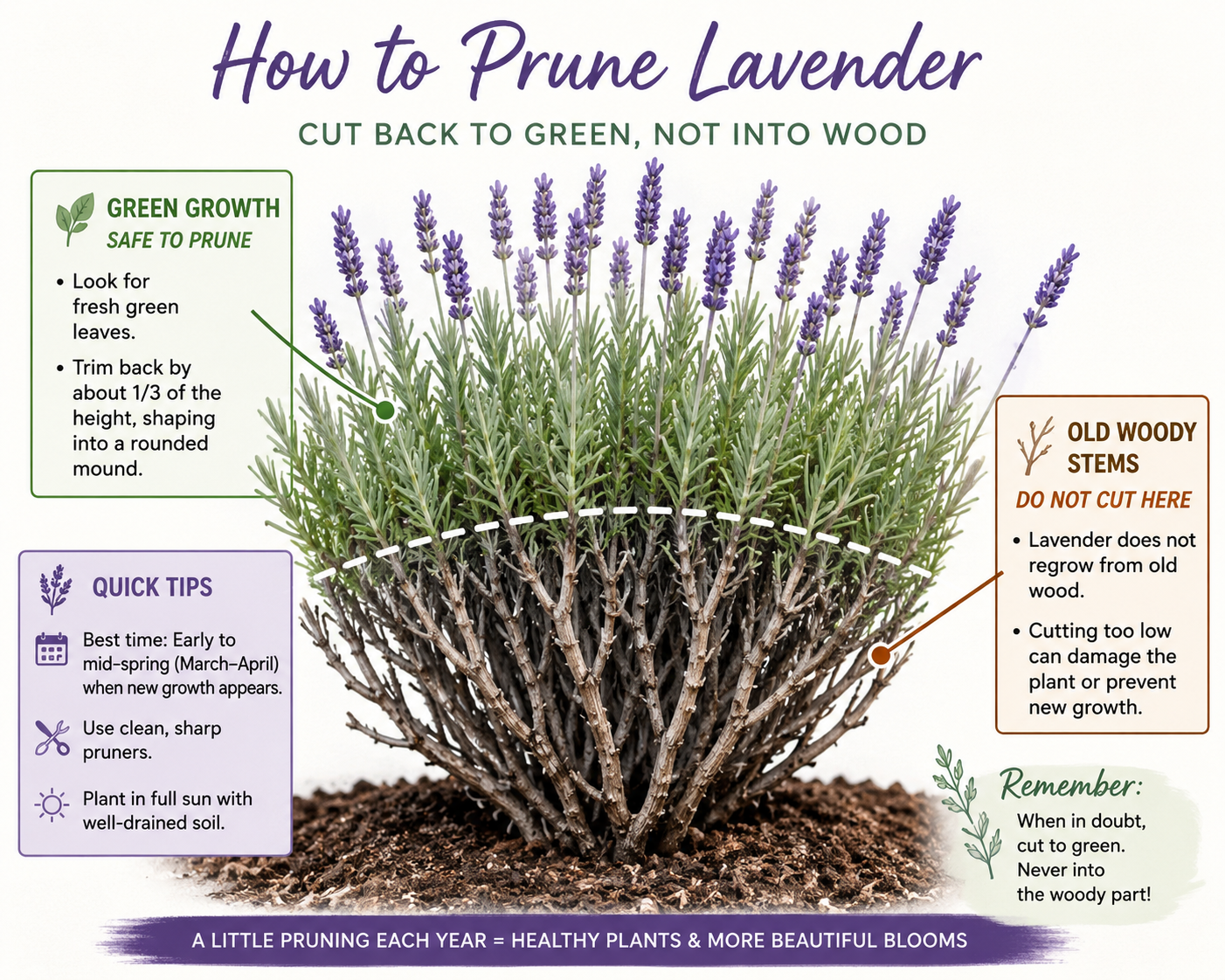
Here in the Willamette Valley (Zone 8b), the best time for a major pruning is in early to mid-spring, usually from late March through April, once you begin to see fresh green growth emerging near the base of the stems. Waiting until new growth appears helps you identify which parts of the plant are alive after winter and reduces the risk of cold damage from pruning too early.
Using clean, sharp hand pruners, trim each stem back by about one-third, shaping the plant into a rounded mound. This encourages even growth and plenty of flowering stems for the coming season.
Avoid Cutting Into Old Woody Growth
This is the most important rule when pruning lavender. Always leave several inches of green growth on each stem, and avoid cutting deeply into the older, woody portion of the plant whenever possible. Unlike many shrubs, lavender doesn't reliably produce new shoots from bare wood. If pruned too severely, the plant may never fully recover.
Think of it as giving your lavender a haircut rather than a complete makeover. Regular light pruning each year is much better than trying to rescue an overgrown plant with one drastic cut.
Give It a Light Trim After Blooming
After your lavender finishes its first flush of flowers in early to mid-summer, you can give it a light trim by removing the spent flower stalks and shaping the plant slightly. This keeps it looking tidy and may encourage a second, smaller bloom on some varieties. More importantly, it prevents the plant from becoming overly woody and helps maintain its naturally rounded form.
Avoid heavy pruning in late summer or fall, as tender new growth may not have time to harden off before winter arrives.
Growing Lavender Successfully in the Pacific Northwest
Lavender loves sunshine and excellent drainage—two things that are especially important in our region. Plant it in a location that receives at least six hours of direct sunlight each day, and avoid areas where water tends to collect during our rainy winters. If your soil is heavy clay, consider planting on a slight mound or in a raised bed and incorporating materials that improve drainage. Once established, lavender is surprisingly drought tolerant and typically requires very little supplemental water.
Lavender is one of those plants that rewards just a little yearly attention with years of fragrance, color, and pollinator activity. A few minutes spent pruning each spring can make the difference between a plant that simply survives and one that truly thrives.
At Deep Creek Garden Center, we're always happy to help you choose the right lavender variety and answer your questions about pruning, planting, and care. Whether you're adding your first lavender plant or refreshing an established garden, it's a timeless favorite that earns its place in any Northwest landscape.
🌱 Pro Tip: If your lavender has become large and woody after many years without pruning, resist the urge to cut it back hard all at once. Instead, reshape it gradually over a couple of growing seasons, replacing older plants if necessary. Starting with regular annual pruning while the plant is young is the best way to keep it beautiful for years to come.
Deep Creek Garden Center
2330 NE Hogan Dr. Gresham, OR. 97030
Seasonal: Late March-Mid October
Christmas: Black Friday thru December
Keep us in mind this holiday season for fresh, locally grown Christmas trees and wreaths from our own family farms. Nobles, Nordmann, Grand and Douglas Firs, both green and flocked!
Proudly serving Gresham & surrounding areas of Sandy, Boring, Damascus, Troutdale, Corbett, Fairview, Portland, Vancouver, Welches, Rhododendron, Happy Valley, Eagle Creek & Estacada for over 30 years.