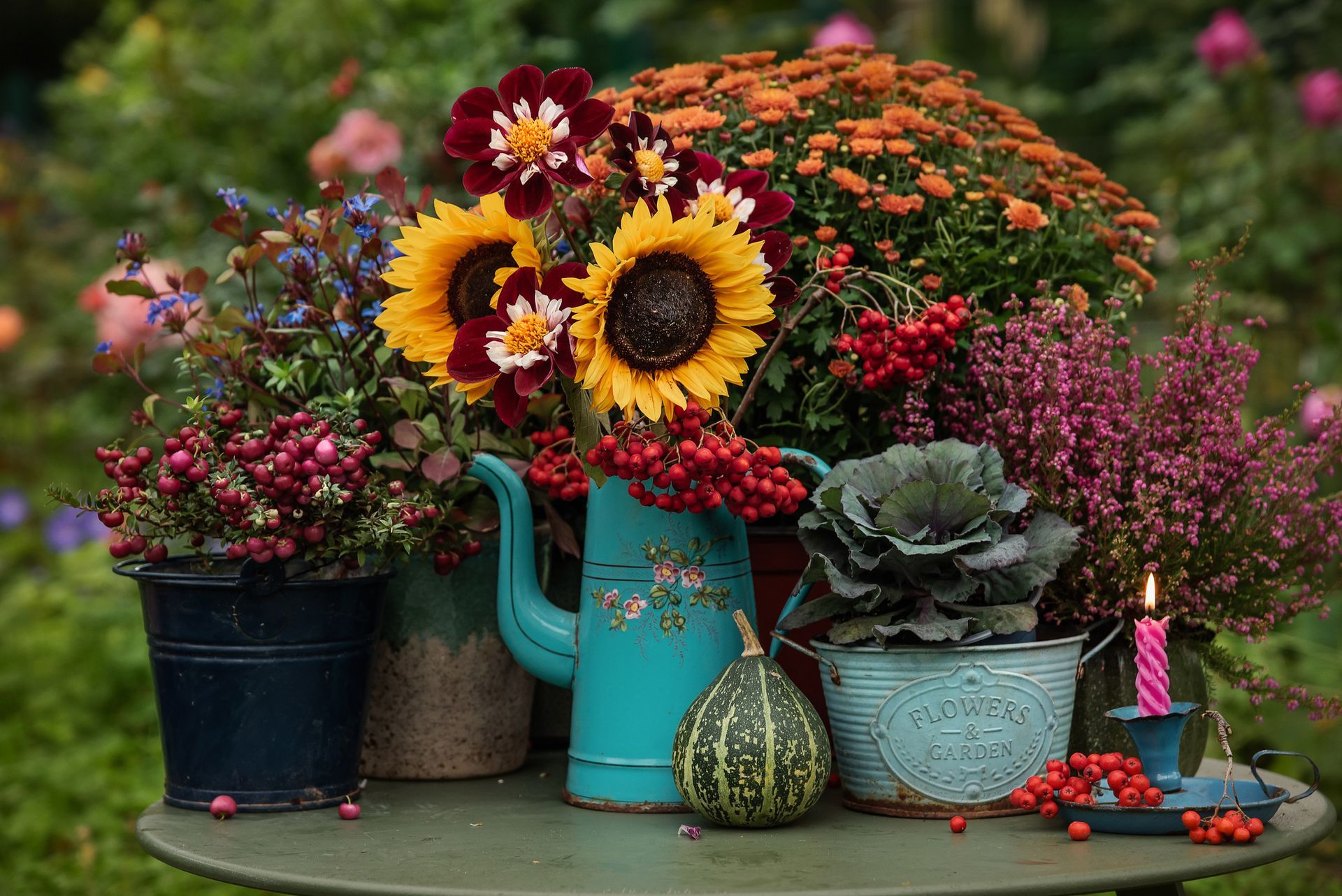
What NOT to prune in Fall
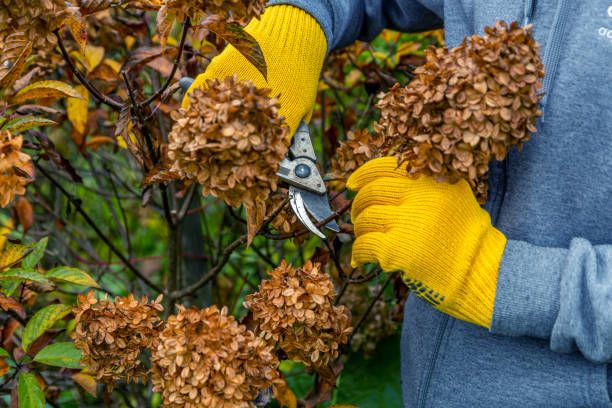
From Our Garden to Yours
Welcome to the Deep Creek Garden Center blog! Whether you’re a seasoned gardener or just starting out, this is the place to find tips, seasonal ideas, plant highlights, and inspiration for your garden, patio, or home. We share what’s blooming at the store, seasonal advice for growing your favorite plants, and stories from our family-run garden center right here in Gresham, Oregon.
Stay tuned for helpful guides, new plant arrivals, DIY projects, and a peek behind the scenes at the store. We hope each post sparks an idea, brightens your day, and helps your garden grow!
What NOT to Prune in Fall: A Pacific Northwest Guide
As the leaves begin to fall and gardens start winding down for the season, it's tempting to grab the pruning shears and start cutting everything back. But before you give your garden its fall haircut, there are a few things worth knowing! Here in the Willamette Valley, our relatively mild fall weather can make it easy to forget that colder temperatures are just around the corner. Pruning at the wrong time can mean fewer flowers next spring, unnecessary winter damage, or plants that struggle to bounce back. At Deep Creek Garden Center, we always encourage gardeners to know what to prune—and just as importantly, what to leave alone.
1. Leave Spring-Flowering Shrubs Alone
One of the biggest fall pruning mistakes is cutting back shrubs that bloom in spring. Many popular spring-flowering shrubs develop their flower buds during the previous summer and fall. If you prune them now, you may be cutting off next spring's flowers before they ever have a chance to open!
Some common examples include:
- Lilacs: Their flower buds are already developing for next spring. Prune shortly after flowering if shaping is needed.
- Rhododendrons and Azaleas: Avoid fall pruning, especially if you want to preserve next year's blooms. Light shaping is best done after flowering.
- Forsythia: Those cheerful yellow flowers arrive on stems that grew the previous season. Wait until after blooming to prune.
- Spring-flowering Camellias: These shrubs are best pruned after their flowers finish, giving them time to develop new growth and future flower buds.
The general rule is simple: if a shrub blooms in early spring, it's usually best to wait until after it flowers before doing any significant pruning.
2. Don't Cut Back All Your Hydrangeas
Hydrangeas are one of the most common sources of pruning confusion, and fall is not the time to take a one-size-fits-all approach. Different types bloom on different kinds of wood, so knowing which variety you have makes all the difference.
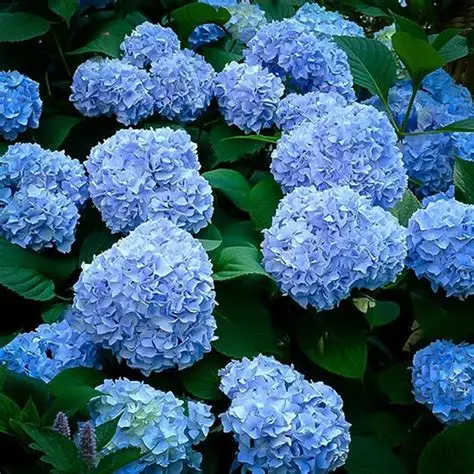
Bigleaf hydrangeas (including many blue and pink varieties), oakleaf hydrangeas, and mountain hydrangeas bloom primarily on old wood. That means next year's flower buds are already developing on the stems. Cutting them back in fall can mean sacrificing next summer's blooms.
Panicle hydrangeas, such as Limelight, and smooth hydrangeas, such as Annabelle, bloom on new wood. They are more forgiving when it comes to pruning, but there's still no need to do a major cutback in fall. Save their main pruning for late winter or early spring, before new growth begins.
For now, leave those spent flower heads in place. They add a little winter interest to the garden and can provide some protection for the developing buds on certain varieties.
3. Resist the Urge to Cut Back Everything to the Ground
Many perennials and ornamental grasses look a little tired by the end of fall, but that doesn't mean they need to be cut back immediately. Leaving some healthy stems, foliage, and seed heads standing can actually benefit your garden through winter.
Ornamental grasses add movement and texture to the winter landscape, while their foliage can help protect the crown of the plant during colder weather. Seed heads on coneflowers, black-eyed Susans, and other perennials also provide food for birds and shelter for beneficial insects.
You can certainly remove diseased foliage or tidy up plants that have become unsightly, but consider leaving healthy growth in place until late winter or early spring. Your garden may look a little less manicured, but it will provide more winter interest and habitat.
4. Hold Off on Major Rose Pruning
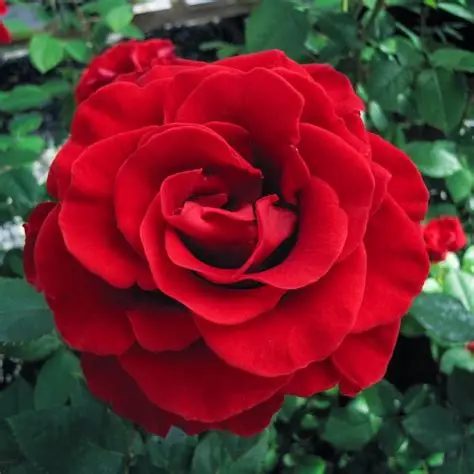
Roses are another plant that benefits from a little patience in fall. While it's perfectly fine to remove dead, diseased, or damaged canes, avoid giving your roses their major annual pruning just yet.
A hard fall pruning can leave plants more exposed to winter weather, and any tender new growth encouraged by pruning may be vulnerable to cold temperatures. In our area, late winter or early spring is generally the best time for the main rose pruning, when plants are beginning to wake up and new growth starts to appear.
For now, simply clean up fallen leaves, remove unhealthy growth, and trim back any particularly long canes that might whip around in strong winter winds.
5. Avoid Heavy Pruning of Evergreens
Evergreen shrubs provide some much-needed color and structure during our gray Northwest winters, so it's worth being a little careful with them in fall. Avoid major shaping or hard pruning late in the season, especially on plants that may respond with tender new growth.
Broadleaf evergreens like boxwood, rhododendrons, and many other landscape shrubs generally benefit from pruning at the appropriate time for their particular variety, rather than a major fall haircut. For most routine shaping, it's better to wait until spring or follow the recommended pruning time for that plant.
If you notice a broken branch or damaged growth, there's no need to leave it until spring. Just save the major reshaping for a better time of year.
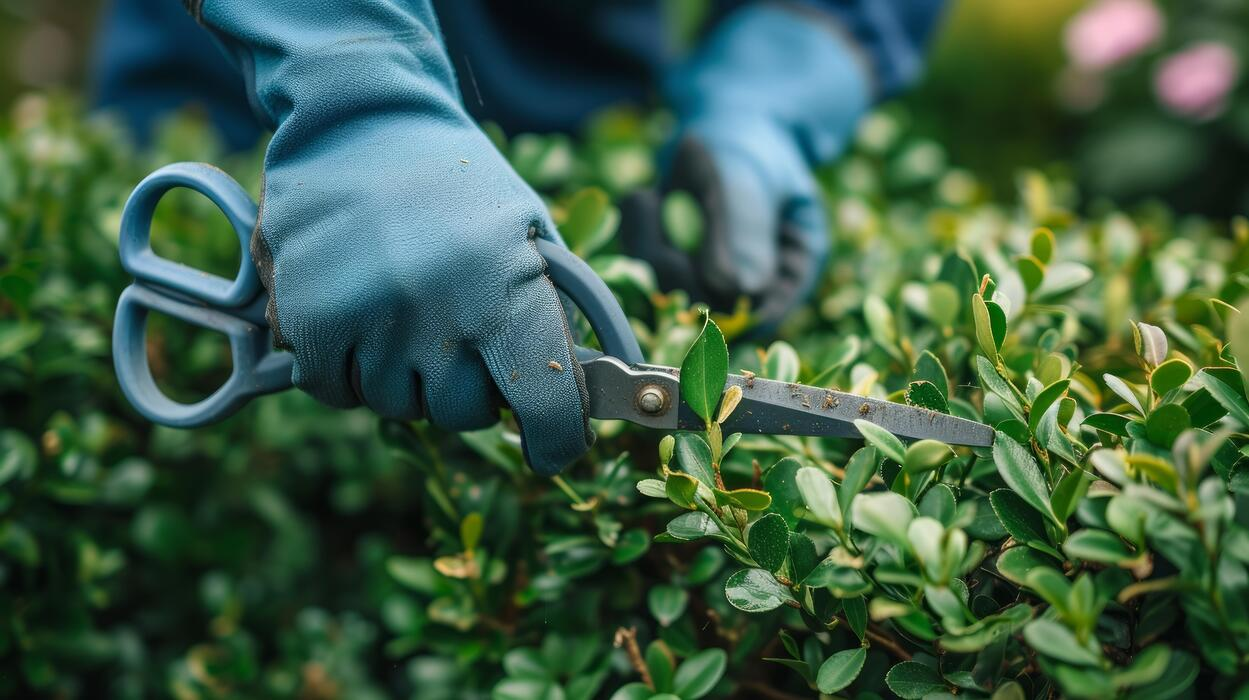
So, What CAN You Prune in Fall?
Don't put those pruning shears away completely! Fall is still a good time for some light cleanup and maintenance around the garden.
- Remove dead, broken, or damaged branches from trees and shrubs.
- Cut away diseased foliage and remove infected plant debris from garden beds.
- Remove dead annuals and spent vegetable plants.
- Tidy up plants that are finished for the season, leaving healthy stems and seed heads where they provide winter interest or wildlife benefits.
The key is to focus on cleanup rather than major reshaping. Save the big pruning projects for late winter or the appropriate time for each plant.
A Little Patience Goes a Long Way
It's easy to feel like the garden needs one last big cleanup before winter arrives, but sometimes the best thing you can do is leave a few things alone. Giving plants time to rest, protecting next year's flower buds, and leaving some natural winter cover can help your garden come back healthier and more beautiful when spring arrives.
At Deep Creek Garden Center, we're always happy to help with questions about pruning, seasonal garden care, and keeping your landscape looking its best throughout the year. A little planning now can make a big difference when spring rolls around!
🌱 Pro Tip: Not sure when to prune a particular shrub? Find out whether it blooms on old wood or new wood before making your cuts. It's one of the easiest ways to avoid accidentally removing next season's flowers!
Deep Creek Garden Center
2330 NE Hogan Dr.
Gresham, OR. 97030
Seasonal: Late March-Mid October
Christmas: Black Friday thru December
503-492-2100
Keep us in mind this holiday season for fresh, locally grown Christmas trees and wreaths from our own family farms. Nobles, Nordmann, Grand and Douglas Firs, both green and flocked!
Proudly serving Gresham & surrounding areas of Sandy, Boring, Damascus, Troutdale, Fairview, Corbett, Portland, Welches, Rhododendron, Eagle Creek & Estacada for over 30 years.